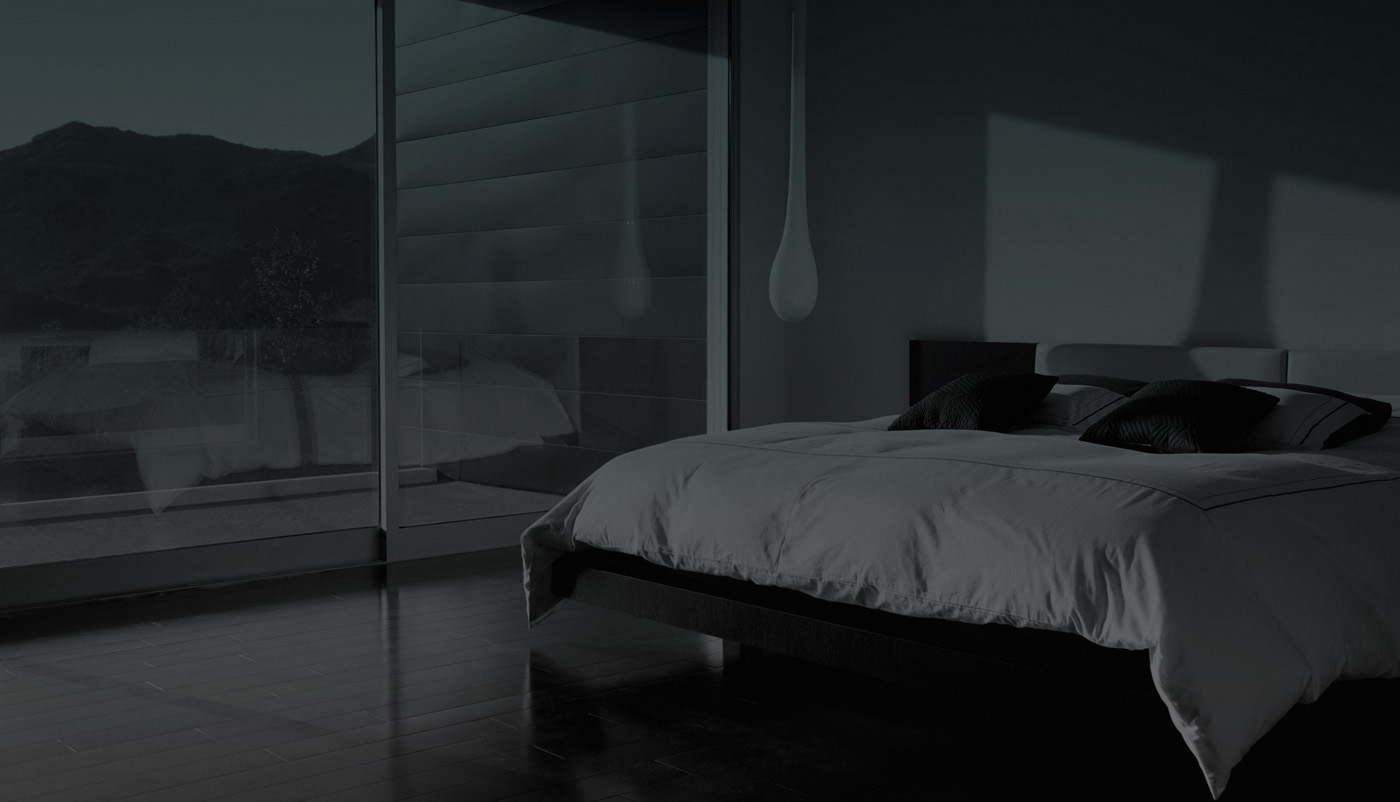
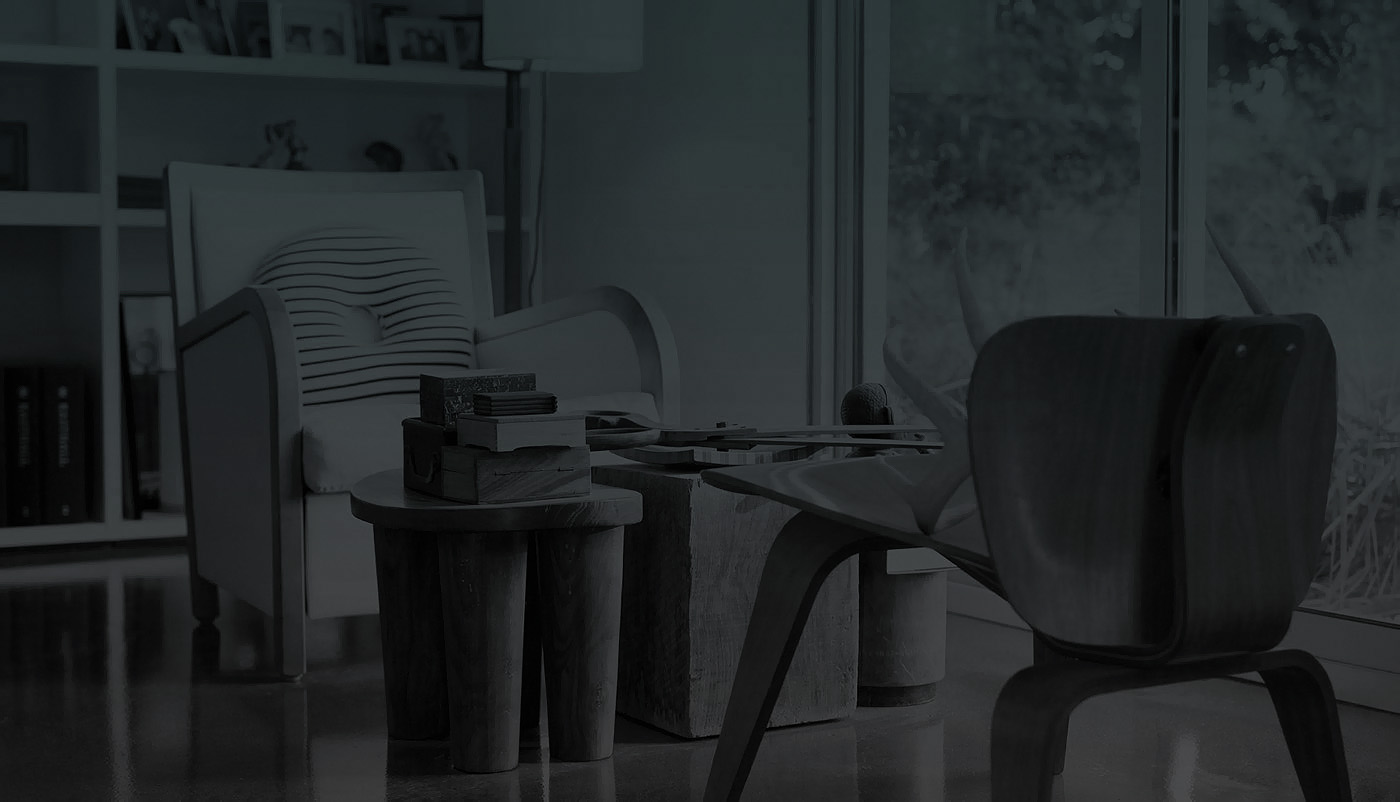
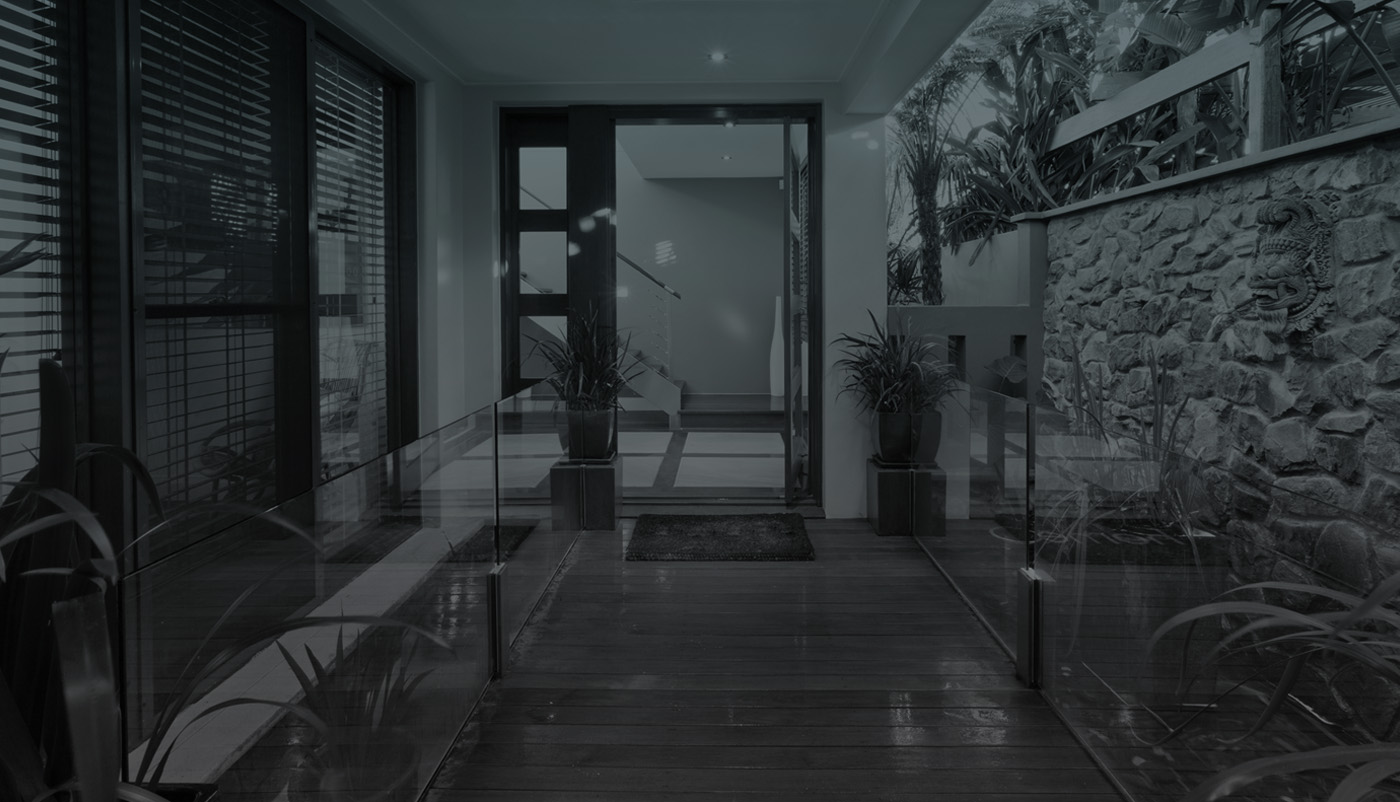
When a professional interior design firm approaches residential design, it goes far beyond simply picking out furniture or choosing a paint color. It is a highly tailored, step-by-step process that balances a client’s personal lifestyle with structural aesthetics to transform a house into a cohesive, functional home.
- Toll Free: +91 9447076643
- Email us: sinaiinteriors@gmail.com
- Working Hours: 08:00-17:00

INTERIOR DESIGN
Our Portfolio
Architectural Consulting
Our Portfolio
Commercial Design
Our PortfolioWHAT WE DO
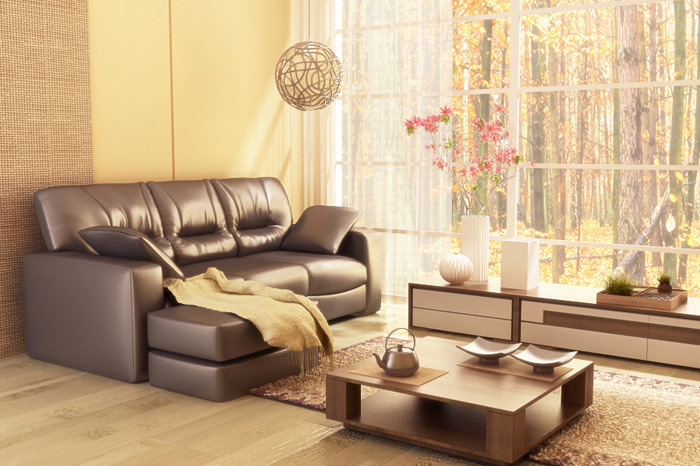
Residential Design

OFFICE Design
An exploration of Sinai Interiors and their commercial interior design practice reveals how they blend regional style with commercial utility across Kannur.Sinai Interiors anchors its commercial approach on maximizing productivity, intelligent foot-traffic layout, and professional brand representation.

HOSPITALLY Design
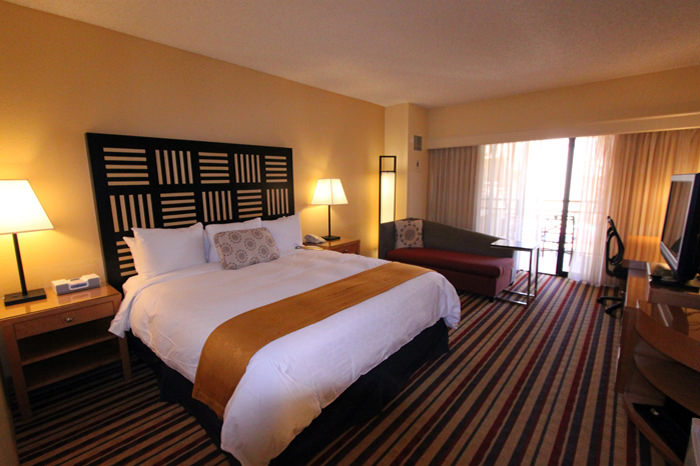
Sinai Interiors approaches hospitality interior design by focusing on creating immersive, guest-centric environments. Their design language balances regional aesthetic expectations with the high functional durability required by hotels, resorts, luxury homestays, and serviced villas in Kerala.

OUR PROCESS
-
Meet & Agree
-
Idea & Concept
-
Design & Create
-
Build & Install
This initial phase is all about alignment, exploration, and understanding the client’s needs.
-
Site Assessment & Measurement: The design team visits the property to take precise measurements, analyze architectural constraints, and document the flow of natural light.
-
The Design Brief: A detailed discussion to understand the client’s functional requirements, lifestyle (e.g., entertaining frequently, needing child-friendly spaces, or requiring a quiet home office), and aesthetic preferences.
-
Budget & Timeline Definition: Establishing clear financial frameworks and realistic project milestones early on to manage expectations.
Once the brief is set, the firm shifts into the creative brainstorming stage.
-
Space Planning: Developing initial 2D floor plans and furniture layouts to optimize traffic flow, ergonomic comfort, and spatial zoning.
-
Mood Boards & Color Palettes: Curating digital or physical material boards featuring color swatches, textures, and fabric samples to establish the overall design DNA (e.g., Contemporary Luxury, Japandi, or Industrial Modern).
-
Initial Concept Review: Presenting these ideas to the client to lock in the artistic direction before diving into technical details.
In this phase, the abstract concepts are transformed into realistic, highly detailed models.
-
3D Visualizations & Renderings: Utilizing advanced rendering software to create photorealistic 3D views, giving the client a realistic preview of the final space from multiple angles.
-
Material & FF&E Selection: Finalizing the selection of Furniture, Fixtures, and Equipment (FF&E). This includes picking exact flooring materials, custom joinery finishes, countertops, paint shades, and wall treatments.
-
Detailed Working Drawings: Creating comprehensive technical blueprints—including electrical layouts, plumbing points, false ceiling designs, and custom woodwork schematics—to guide the contracting teams.
With approved designs and technical drawings in hand, the physical transformation begins.
-
Material Procurement: Placing orders for custom furniture, designer lighting, imported tiles, fabrics, and specialized appliances, while carefully tracking delivery timelines.
-
Project Management & Civil Work: Overseeing on-site execution, which involves coordinating with various technical teams—such as civil contractors, electricians, plumbers, painters, and carpenters.
-
Quality Control: Regular site visits by the design team to ensure that structural modifications, electrical setups, and custom millwork strictly adhere to the approved design blueprints.
-
Art & Decor Curation: Layering the space with curated accessories, artwork, mirrors, custom rugs, and soft furnishings like cushions and drapes.
-
Deep Cleaning & Snagging: Conducting a meticulous deep cleaning of the entire property and resolving a “snag list” (any minor paint touch-ups, hardware adjustments, or fine-tuning).
-
The Grand Handover: Walking the client through their newly transformed, pristine space and officially handing over the keys to their dream environment.

CUSTOMER SAYS
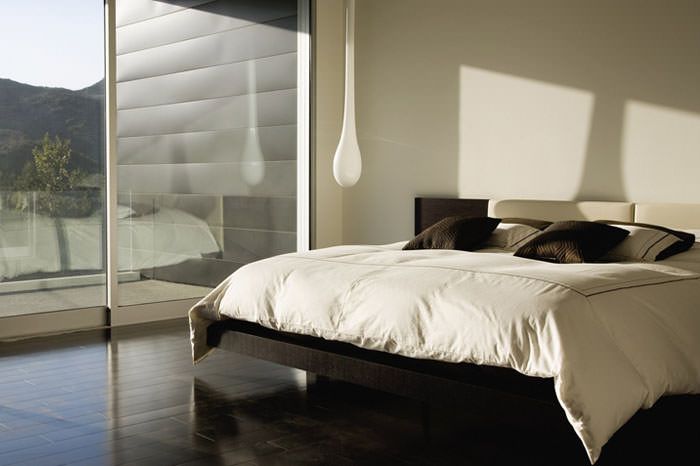
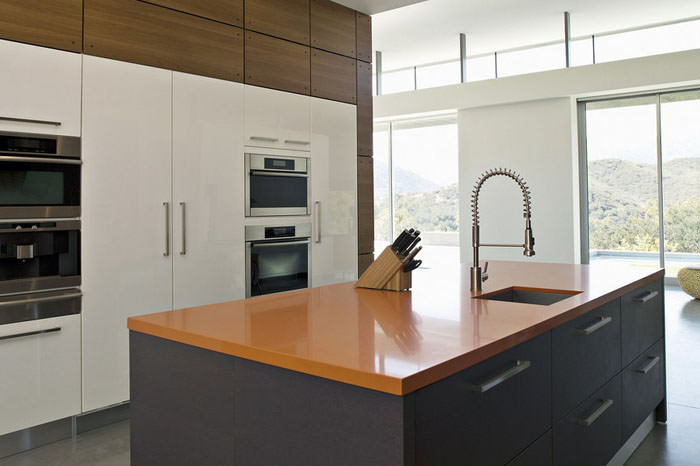
“We hired Sinai Interiors to transform our empty house into a family home, and the results are breathtaking. From the initial layout planning to the final 3D visualizations, their process was entirely seamless. They truly took the time to understand our lifestyle, delivering a stunning, functional master bedroom oasis and a custom modular kitchen that makes daily workflows a joy. The attention to detail in their custom joinery is unmatched.”
Anjali & Rahul M, Customer
“What sets Sinai Interiors apart is their turnkey execution. I didn’t have to worry about coordinating with painters, electricians, or carpenters. They managed the entire timeline flawlessly and handed over our apartment fully styled, deep-cleaned, and absolutely immaculate. It feels like living in a luxury sanctuary.”
Vikram S., Homeowner, Customer
“Our new corporate headquarters is a massive success, all thanks to Sinai Interiors. They completely optimized our open floor plan, perfectly balancing active collaborative zones with quiet, acoustic-paneled focus spaces. They integrated our corporate brand colors into the architecture so elegantly that it has drastically boosted team morale and left a powerful impression on every client who walks into our reception area.”
David K., Chief Operations Officer, Customer
“Designing a modern, agile office space is no easy task, but Sinai Interiors made it look effortless. Their focus on human-centric lighting, biophilic design, and seamless hidden wire management transformed our workspace into a highly productive, healthy environment. Their professional approach to project management kept us on budget and ahead of schedule.”
Meera Nair, Tech Startup Founder, Customer